Loading...
Serving Brentwood, CA and surrounding areas. (925) 504-0962
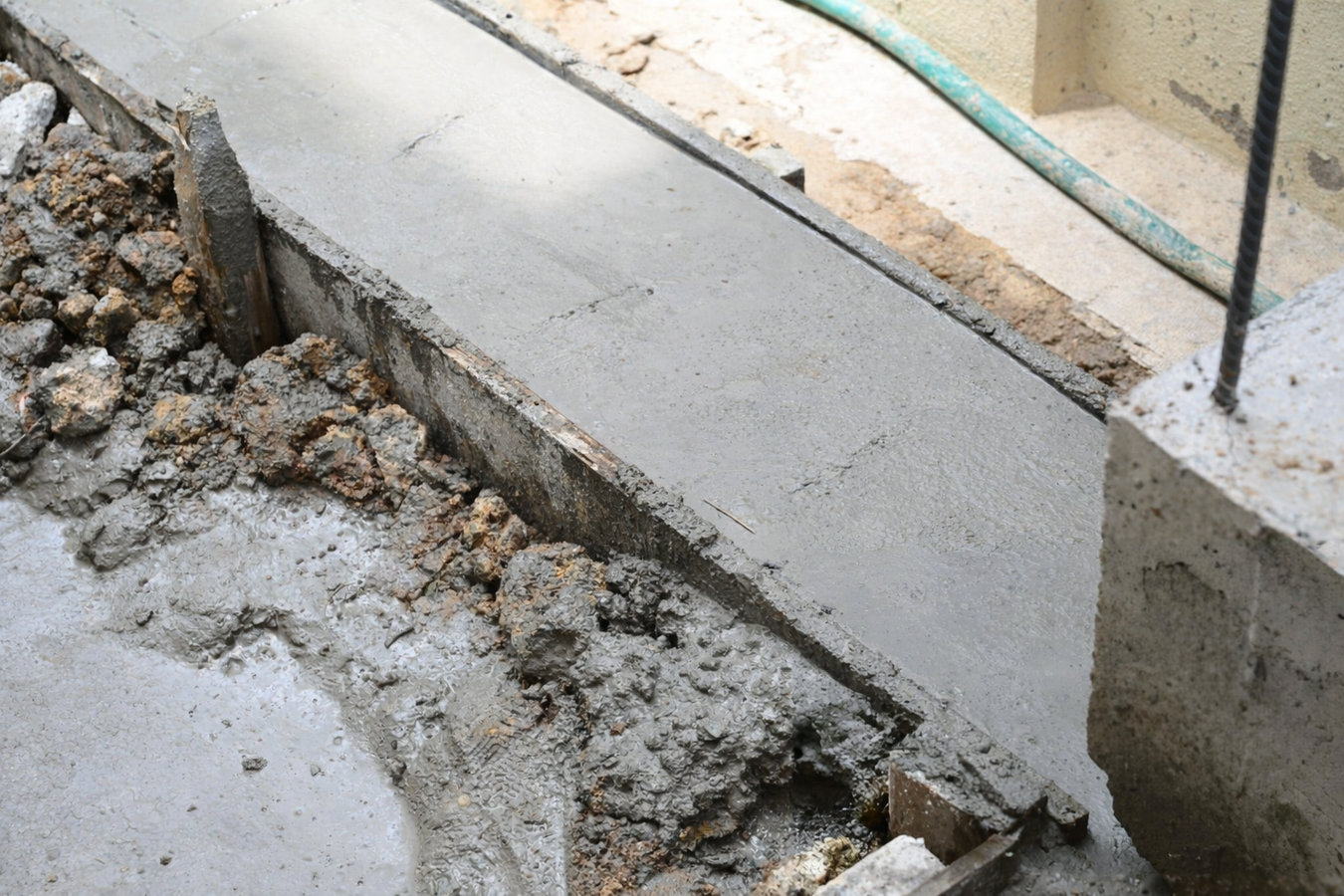
Brentwood clay soils shrink in summer and swell in winter, leaving slabs sunken and uneven. We lift foundations back to level, patch the holes, and address what caused the problem in the first place.
Foundation raising in Brentwood lifts a sunken or uneven concrete slab back to its original level by pumping material into the voids beneath it through small drilled holes - most residential jobs are completed in a single day, and you can walk on the surface the same day the work is done.
Most homeowners call us after noticing that a floor slopes, a door no longer closes right, or cracks have appeared along interior walls. These signs often point to the same root cause in Brentwood: the clay-heavy soils throughout eastern Contra Costa County shrink during the long dry summers and expand again with winter rain, leaving voids beneath slabs that were poured on top of them. Once the support is gone, the concrete settles. If you are also noticing structural movement above the slab, our slab foundation building service may be the appropriate next step after the slab is back at the correct level.
Foundation raising is not a patch-and-go fix. We assess the cause before we lift anything, because lifting a slab without addressing drainage or soil conditions just means the same thing happens again after the next dry summer.
When a foundation shifts, door and window frames shift with it. If a door that used to swing freely now drags on the floor or refuses to latch, that is one of the earliest signs that something has moved beneath your home. In Brentwood, this often shows up first in late summer after the soil has been drying all season.
Cracks that run diagonally from the corners of windows or doors, especially ones that are wider at one end than the other, suggest the foundation has moved unevenly. Hairline cracks in drywall are normal, but these angled cracks are a different kind of signal. They tend to grow slowly over time in Brentwood clay soil conditions.
Walk slowly across your living room or garage floor. A subtle tilt, or a marble that consistently rolls in one direction, points to a slab that has settled. This is especially common in Brentwood homes built in the late 1990s and early 2000s, where the original soil compaction may not have been adequate for the clay-heavy ground beneath.
If water consistently collects against the side of your home after rain or after the sprinklers run, it is soaking into the soil beneath your slab. In Brentwood, the repeated wetting and drying cycle that follows erodes the soil support over time. You do not need to wait for visible damage - persistent pooling near the foundation is reason enough to call for an assessment.
We handle foundation raising from initial assessment through final walkthrough. That includes identifying the cause of the settling before we start, locating post-tension slab cables where applicable so we drill safely, and choosing the right lifting method for your specific situation. Brentwood has a high proportion of post-tension slabs from the 1990s and 2000s building boom, and hitting a steel cable during drilling can cause serious structural damage - cable location is not optional on any job we do here. Once the slab is back at the correct level, we patch the drill holes with concrete filler and review the results with you. We also look at the drainage and irrigation conditions around the foundation and tell you honestly what we found, because a lifted slab that sits on the same unresolved drainage problem will settle again.
When foundation movement has gone beyond what lifting alone can address - horizontal shifting, severe cracking, or structural framing damage above the slab - we will tell you directly and recommend the right next steps, which may include our concrete cutting service to remove and replace the affected section, or our slab foundation building service for a full replacement. A trustworthy contractor tells you this before starting work, not after.
The traditional method - best suited for large areas where cost per square foot matters most and longer cure time before heavy use is acceptable.
A newer approach that cures faster, leaves smaller holes, and resists washing out over time - well suited for garages, driveways, and areas where quick turnaround matters.
Applies to the many Brentwood homes built in the 1990s and 2000s on cable-reinforced foundations - requires cable location before any drilling begins.
For homeowners who want to understand what caused the settling before committing to a repair method - includes a written report of findings and recommendations.
Brentwood sits in the eastern portion of Contra Costa County, where soils contain a significant amount of clay. Clay expands when it gets wet and shrinks when it dries - and in a place that sees triple-digit summers and nearly all its rain between November and April, that cycle repeats every year without exception. The soil beneath your slab loses moisture through June, July, August, and September, and the concrete above follows it down. This is why foundation settling calls peak in late summer and early fall here - not because something went suddenly wrong, but because the soil has been pulling away from the slab all season. Prolonged drought conditions in recent years have intensified the problem, with more severe and longer dry stretches leaving bigger voids beneath foundations than homeowners in this area have historically seen.
Many Brentwood homes also carry a specific risk that homes in older California cities do not: post-tension slabs. The construction boom that built out most of the city between the late 1990s and the early 2010s used this slab type widely, and any drilling work on those foundations requires locating the steel cables first. We serve homeowners throughout the area, including in Oakley and Antioch, where the same clay soils and post-tension slab prevalence apply. Brentwood homeowners who invest in their properties - and the city has a high rate of owner-occupied homes with above-average values - deserve a repair done to a standard that protects that investment.
We respond within 1 business day. You will be asked a few basic questions - where the problem is, what you have noticed, and how long it has been going on. This helps us show up prepared. Most assessments can be scheduled within a few days.
We walk the affected area with you, look at the slab and surrounding soil, and check for post-tension cable markers before any drilling plan is made. We are looking for not just how much the slab has dropped, but why. This visit usually takes 30 to 60 minutes.
You receive a written estimate covering the lifting method, scope of work, and total cost. If Contra Costa County requires a permit for your job, we include that in the estimate and handle the application. No verbal quotes - written only.
The crew drills small holes, pumps material underneath through them, and monitors the lift carefully. Most residential jobs finish within a few hours to one day. Once the slab reaches the right level, holes are patched with concrete filler and the area is cleaned up. We walk you through the results before we leave.
We respond within 1 business day. Written estimate included. No pressure, no obligation.
(925) 504-0962A large share of Brentwood homes built in the 1990s and 2000s have steel cables running through the foundation. We locate those cables before drilling a single hole. A contractor who skips this step can cause structural damage that costs far more to fix than the original settling problem.
Lifting a slab without identifying the cause - drainage problems, irrigation leaks, soil erosion - means the same job comes back in two or three years. We look at the full picture around your foundation before recommending any repair. You deserve a real answer, not a short-term fix.
We work throughout Brentwood and the surrounding service area, including Antioch, Oakley, Pittsburg, Concord, and beyond. Brentwood clay soils and post-tension slabs are not unique to this city - we apply the same standards across the 12 cities we serve in the East Bay.
California requires concrete contractors to hold a current license from the Contractors State License Board. You can verify our credentials free at the{' '} CSLB website before hiring us. Licensing means testing, background requirements, and accountability - it matters on structural work.
Foundation work requires contractors who understand the specific soil and construction conditions in this part of California. The combination of clay soil movement, post-tension slabs, and California seismic requirements makes Brentwood foundation work different from most other markets - and we have built our process around those local realities. American Concrete Institute standards inform how we approach every pour and every repair.
When a settled section needs to be removed and replaced rather than lifted, precise cutting isolates the damaged concrete without disturbing the surrounding slab.
Learn more →For situations where a foundation is beyond lifting and needs to be poured new - including ADUs, additions, and garage conversions on Brentwood clay soils.
Learn more →Schedule a free on-site assessment in Brentwood today - summer dry season is the hardest time on foundations, and the sooner the voids beneath your slab are filled, the less damage accumulates.