
Loading...
Serving Brentwood, CA and surrounding areas. (925) 504-0962
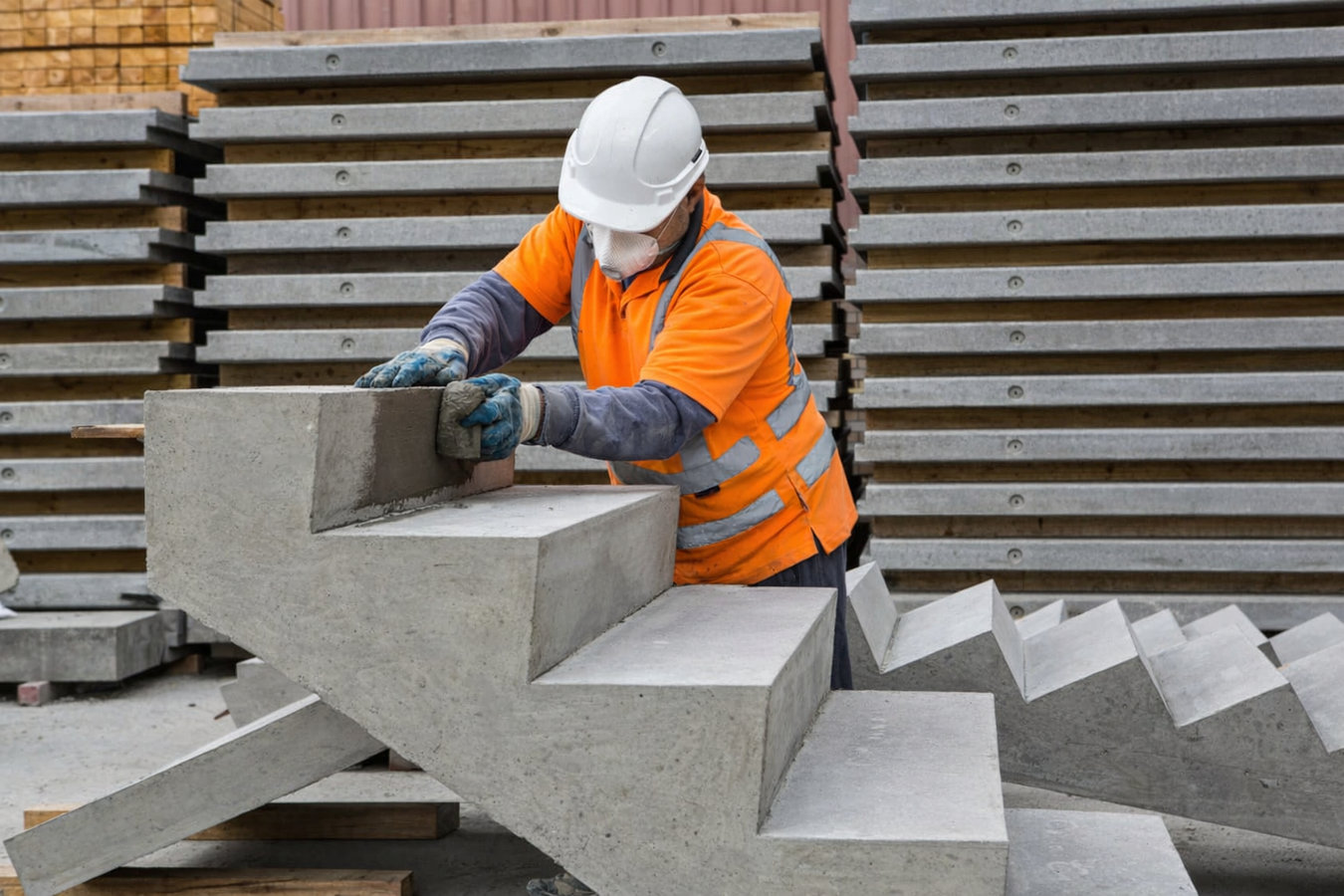
Cracked, tilted, or crumbling steps are a tripping hazard and a bad first impression. We build concrete steps in Brentwood that hold up to local clay soils, stay level through rainy seasons, and look right for the neighborhood.
Concrete steps construction in Brentwood covers new installations and full replacements of front, side, and rear entry staircases - most residential projects take one to two days of active work, with 24 to 48 hours before the steps can handle light foot traffic.
Most homeowners reach out because their current steps are cracked, have started to tilt, or have edges that have broken off. In Brentwood, that damage usually traces back to the local clay soil: it expands when it absorbs winter rain and contracts when it dries out in summer, and that cycle puts pressure on the concrete from below every year. Homes built during the city growth period in the 1990s and 2000s are now at the age where that accumulated movement becomes visible. If your entry steps are connected to a wider concrete area - a front walk or a patio - our slab foundation building and concrete retaining walls services address the related structural work that often comes up on the same property.
Cracks wider than a hairline - especially ones that go all the way across a tread or run diagonally from a corner - mean the structural integrity of the steps is compromised. In Brentwood, this kind of cracking is often caused by clay soil shifting underneath, which gradually pushes the concrete apart through the wet-dry seasonal cycle. Surface patching buys a little time, but once cracking is widespread, replacement is usually the more cost-effective choice.
If your steps no longer look level - if one side sits noticeably lower, or if the whole staircase leans toward or away from the house - the base underneath has shifted. This is a safety issue, not just a cosmetic one. An uneven step is easy to trip on, and soil movement from Brentwood clay-heavy ground tends to get worse over time without intervention.
The edges and corners of steps take the most wear. If chunks are breaking off, corners have rounded down to nothing, or the surface feels rough and pitted underfoot, the concrete is deteriorating. This is especially common on steps that are 15 or more years old - which covers a large share of Brentwood homes built during the 1990s and 2000s.
Each step should slope very slightly forward so water drains off the front edge. If puddles sit on the steps after rain, the slope is wrong - either it was never built correctly or the steps have shifted over time. Standing water makes steps slippery and works its way into small cracks, speeding up deterioration every winter.
We handle concrete step projects from first call through final walkthrough. That includes demolition of old steps if needed, excavation and base preparation tailored to local clay soil conditions, rebar placement inside the forms for long-term strength, the pour and finishing, and any permits required through the City of Brentwood Building Division. Surface finish choices are made before the pour: broom finish is the most common and gives good grip in wet conditions, while stamped or exposed aggregate finishes work well for homeowners who want a look that matches the front of the home. We discuss tread slope during setup so water drains off the front of each step rather than sitting on the surface. For step projects that connect to a larger slab or foundation area, our slab foundation building service covers the adjacent flatwork.
Properties with sloped yards or elevated entries often need both steps and a retaining wall to manage the grade change properly. Our concrete retaining walls service is often combined with step work on hillside lots and properties with significant grade changes between the street and the entry.
Best for homes where existing steps have cracked, shifted, or deteriorated beyond patching - a full removal and fresh pour with proper base prep.
Suited for properties adding an entry where none exists, or connecting two levels of a yard or deck that currently require a slope or informal path.
Right for homeowners in HOA communities who need steps that match specific exterior design guidelines, or who want a finish that complements decorative hardscaping nearby.
Ideal when the top step opens onto a landing pad - a poured landing extends the usable flat surface at the entry and keeps the transition from door to steps clean and safe.
Brentwood grew rapidly during the late 1990s and 2000s, and a large share of the homes built during that period are now 20 to 30 years old. That age is roughly when builder-grade concrete steps - often installed with minimal base preparation to keep construction costs down - start showing visible wear. The clay-heavy soil throughout eastern Contra Costa County makes this timeline shorter than it would be in a sandier environment: seasonal ground movement accelerates the cracking and settling that would otherwise take longer to appear. When we assess a step project in Brentwood, we factor in the soil conditions, the age of the surrounding flatwork, and whether the base prep under the original steps was adequate - because pouring new steps over an unstable base produces the same result as the ones we are replacing.
We work on step projects throughout the East Bay region, including in Pittsburg and Oakley, where similar soil and housing stock conditions apply. Whether your home is in a newer Brentwood HOA subdivision like Deer Ridge or on an older property near the farm trail roads, we know what the local ground and permit process require.
We respond within 1 business day. We can ask basic questions over the phone - how many steps, what the current condition is - but step quotes need an in-person visit to measure rise and run accurately and assess the ground. We schedule that visit at no charge.
We look at the existing steps, check soil conditions, and measure for the new build. You receive a written estimate covering demo, haul-away, base prep, materials, labor, and any permit fees - before you decide anything. If a City of Brentwood permit is needed, we handle the application.
Old steps are demolished and removed first. Then we excavate, compact the base, and lay gravel - the foundation work that determines how long the new steps hold up. The pour and finishing follow, usually in a single day for a standard front entry staircase.
Steps are off-limits for at least 24 to 48 hours after the pour for light foot traffic. We mark the area and let you know when it is safe to use. Before we leave the site we walk through the finished work with you and cover any care steps specific to your surface finish.
Written quote before work starts. Permits handled for you. No pressure, no obligation.
(925) 504-0962Eastern Contra Costa County clay soil is the primary reason steps fail early in this area. We excavate soft material, compact the base, and add a gravel layer before placing rebar and forming the steps. Skipping these steps is what causes the cracking you are replacing now - we do not repeat that mistake.
We place steel reinforcement inside the concrete on every step project. Rebar keeps the concrete from separating if the ground shifts - which it does in Brentwood, seasonally, every year. Asking whether rebar is included is a basic question that separates thorough contractors from those cutting costs on materials.
We serve all 12 communities in our service area, from Brentwood through the wider East Bay. That geographic range means we encounter the full range of local soil, HOA, and permit conditions on a regular basis - and we factor them into every project without needing to be reminded. See the American Concrete Institute for published best practices on concrete step construction.
Many Brentwood neighborhoods - Deer Ridge, Trilogy, and similar planned communities - require HOA review before exterior concrete work begins. We know the finish and color norms in common local subdivisions and help you confirm what needs approval before the pour.
Steps that fail early almost always fail because of base preparation shortcuts. Every step project we build in Brentwood is built to handle the local soil, and we back that with a written estimate and full permit compliance from the start.
Verify your contractor holds a valid license with the California Contractors State License Board before signing a contract. Permit questions for Brentwood projects are handled through the City of Brentwood Building Division. The American Concrete Institute publishes standards for concrete step construction and hot-weather concrete placement that guide how we work in Brentwood summers.
Build a concrete slab for an ADU, addition, or outbuilding on your Brentwood property with proper soil preparation.
Learn more →Hold back sloped ground and create usable flat space with a concrete retaining wall built for Brentwood clay soils.
Learn more →Wet winter mornings on cracked or tilted steps are a slip risk every day - call now and have solid, level steps in place before the rains start.